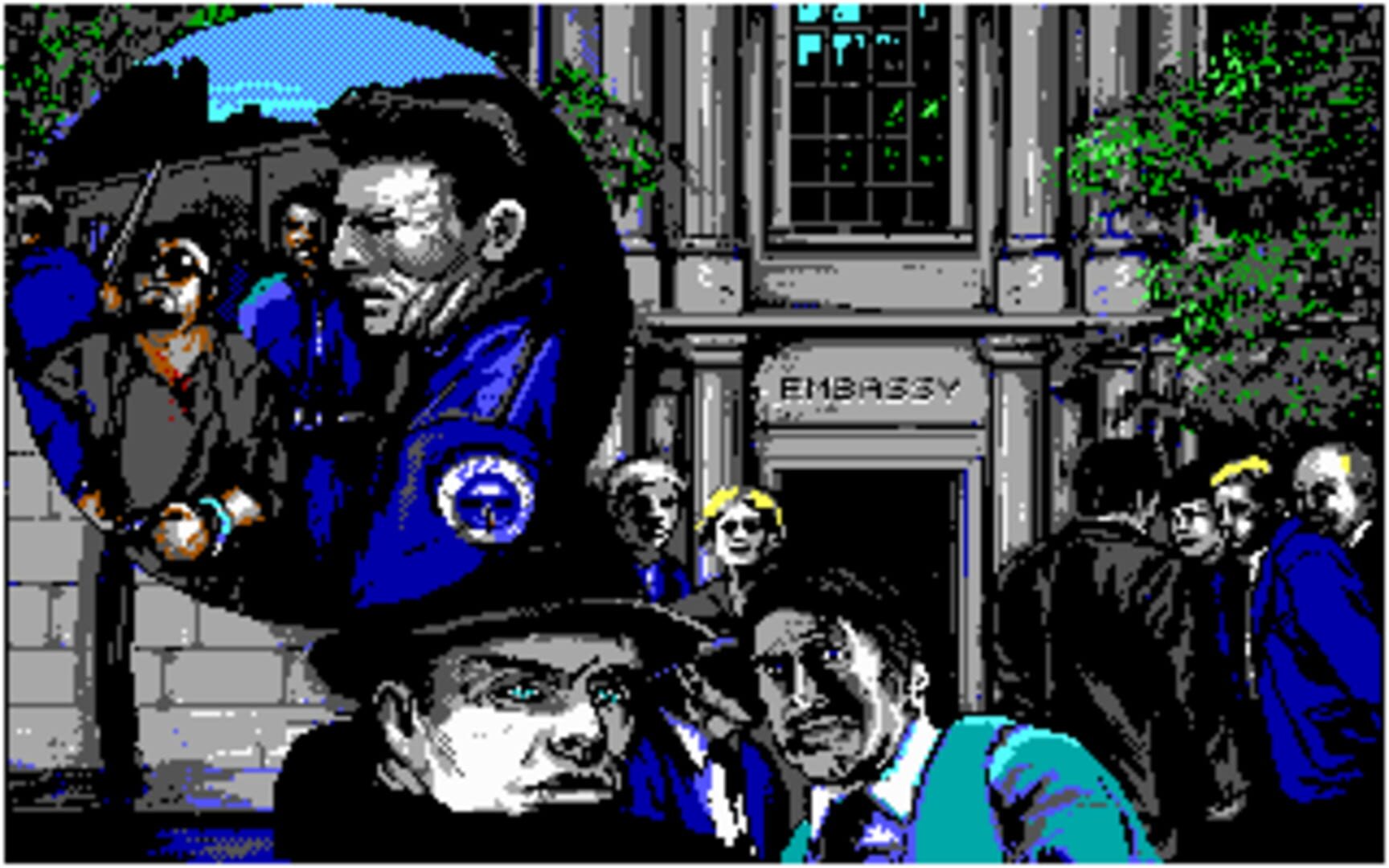
Hostages
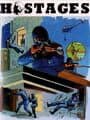
Terrorists have taken an embassy hostage and you have to bring in a 3 men strike team to rescue the civilians inside.
Screenshots
36 user reviews
24 Steam reviews
Review History
| LANGUAGE | AUDIO | SUBTITLES | INTERFACE |
|---|---|---|---|
| English | Y | Y | Y |
| French | — | — | Y |

Terrorists have taken an embassy hostage and you have to bring in a 3 men strike team to rescue the civilians inside.
6 user reviews
24 Steam reviews
| LANGUAGE | AUDIO | SUBTITLES | INTERFACE |
|---|---|---|---|
| English | Y | Y | Y |
| French | — | — | Y |

Hostage: Rescue Mission is a classic tactical action game developed by Infogrames and later published by Atari on modern platforms such as Steam. Originally released in the late 1980s under the title Hostages, the game emerged during a time when computer games were beginning to experiment with more complex mission structures and realistic military scenarios. Rather than presenting a straightforward arcade shooter, the game places players in command of a specialized counter-terrorist unit assigned to resolve a high-risk hostage crisis. The central scenario revolves around a group of armed terrorists who have taken control of an embassy building and captured several civilians. The player’s mission is to coordinate a rescue operation, eliminate the hostile forces, and ensure the safe extraction of the hostages.
The structure of the game is built around several distinct phases that represent different parts of a coordinated tactical assault. Instead of a single continuous level, the mission unfolds through multiple gameplay segments that each focus on a different aspect of the operation. This design was particularly ambitious for its time because it attempted to simulate the complexity of a real counter-terrorist response rather than simply placing the player into an action sequence. Each stage requires different skills and careful decision-making, and mistakes in one phase can make later stages more dangerous or difficult.
The opening phase focuses on stealth and infiltration as players guide several members of their rescue team through the streets surrounding the embassy. These operatives must reach strategic vantage points while avoiding detection by terrorist patrols and sweeping searchlights. Movement must be carefully timed, as stepping into the beam of a searchlight or rushing forward recklessly can alert enemies and result in the operative being shot. The gameplay in this section emphasizes patience and careful observation. Players must slowly move their characters across rooftops and alleyways, using cover and timing to avoid being seen while reaching their assigned positions around the building.
Once these operatives reach their positions, they become snipers tasked with providing overwatch for the assault team. The gameplay perspective shifts to a scoped view where players observe the windows of the embassy. Silhouettes appear behind the glass, and the player must determine whether they represent terrorists or hostages. Pulling the trigger at the wrong moment can have serious consequences, as accidentally shooting a hostage counts as a mission failure. This mechanic introduces a level of tension and responsibility rarely seen in games of that era, forcing players to hesitate and carefully evaluate each target before firing.
The final stage of the operation moves inside the embassy itself. After the initial preparation phases, the assault team enters the building to confront the terrorists directly and rescue the hostages. This portion of the game shifts to close-quarters combat where players explore rooms, corridors, and multiple floors of the embassy while searching for both enemies and civilians. Terrorists may hide in different rooms or stand near hostages, creating situations where players must act quickly but cautiously. Eliminating enemies while ensuring the safety of hostages becomes the primary challenge of this stage.
One of the most interesting elements of the game is how the different mission phases are connected. Actions taken during the sniper phase can directly affect the difficulty of the final assault. Successfully eliminating terrorists from outside the building reduces the number of enemies encountered inside, making the rescue operation smoother. On the other hand, failing to neutralize threats beforehand can leave the assault team facing a much more dangerous situation once they enter the embassy. This interconnection between stages creates a strong sense of strategy and reinforces the idea that the mission is a coordinated operation rather than a collection of unrelated levels.
For a game developed in the late 1980s, the visual presentation was surprisingly detailed. The embassy interior contains various environmental elements such as desks, chairs, equipment, and decorative items that help make the building feel like a believable location. Although the graphics are limited by the technology of the time, the developers made effective use of pixel art to convey the layout of rooms and the presence of characters within them. The game also uses different visual perspectives depending on the stage of the mission, shifting between side-scrolling movement, sniper scopes, and interior exploration. These changes in viewpoint add variety to the experience and help differentiate each phase of the operation.
The audio design is relatively simple but still contributes to the overall tension. Gunshots, alarms, and the occasional ambient sound emphasize the dangerous atmosphere of the mission. Because sound effects are used sparingly, each one feels important and draws attention to key moments such as enemy detection or combat encounters. The quiet periods between these sounds often heighten the suspense, especially during stealth segments where the player must remain unseen.
At the end of each mission, the game provides a summary of the operation in the form of a fictional newspaper report. This report describes how the rescue unfolded, evaluating the player’s performance based on factors such as how many hostages were saved and how many team members survived. A successful mission results in praise for the rescue team, while mistakes such as civilian casualties or excessive losses lead to a more critical report. This system adds an extra layer of immersion by framing the mission as a real event being reported to the public.
From a historical perspective, Hostage: Rescue Mission is notable for introducing ideas that would later become common in tactical shooters. The emphasis on planning, stealth, coordinated team actions, and the consequences of player decisions anticipated mechanics that would eventually appear in more modern military franchises. In many ways, the game can be seen as an early attempt to portray the complexity of special forces operations within a video game.
However, some aspects of the game feel dated when viewed through a modern lens. The controls can be stiff and unforgiving, especially during the stealth sections where precise timing is required. The mission structure is also relatively limited, focusing on a single hostage scenario rather than a full campaign of different operations. While the strategic depth adds replay value, some players may wish for a greater variety of missions or environments.
Despite these limitations, Hostage: Rescue Mission remains an intriguing example of early tactical game design. Its attempt to simulate a multi-phase counter-terrorism operation was highly ambitious for its time and demonstrated how video games could combine action with strategic planning. Even decades after its original release, the game still stands as an interesting piece of gaming history and an early step toward the tactical shooters that would emerge in later years.
Overall, Hostage: Rescue Mission offers a unique blend of stealth, strategy, and action that distinguishes it from many other games of its era. While its mechanics and visuals clearly reflect its age, the core idea of coordinating a careful hostage rescue operation remains engaging. For players interested in retro gaming or the origins of tactical military gameplay, it provides a fascinating glimpse into the early experimentation that helped shape the genre.
Rating: 7/10
https://youtu.be/ofIo4JpgFQ0
More than three decades later this game is barely functional if at all.
███████▄▄███████████▄
▓▓▓▓▓▓█░░░░░░░░░░░░░░█
▓▓▓▓▓▓█░░░░░░░░░░░░░░█
▓▓▓▓▓▓█░░░░░░░░░░░░░░█
▓▓▓▓▓▓█░░░░░░░░░░░░░░█
▓▓▓▓▓▓█░░░░░░░░░░░░░░█
▓▓▓▓▓▓███░░░░░░░░░░░░█
██████▀░░█░░░░██████▀
░░░░░░░░░█░░░░█
░░░░░░░░░░█░░░█
░░░░░░░░░░░█░░█
░░░░░░░░░░░█░░█
░░░░░░░░░░░░▀▀
Silly and boring stealth game, the gameplay gets dull within 5 minutes.
I played this game originally as kid in the 1980s on an IBM 8086 using 5 1/4-inch floppy disks. It had a whopping 4 colors, and the joystick control left much to be desired. It was still fun and I enjoyed the heck out of it back then. To find it on Steam years later, and actually playable, feels like quite a treat.
Unfortunately like many of these old games this title is really only going to be enjoyed by those of us with fuzzy nostalgic memories of it. To me it's wonderful and easily worth a couple bucks to play it again (even for only 10 minutes), but if you've never heard of it until now, I can't help but feel like your money might be better spent elsewhere. As with all things your mileage may certainly vary. I'm giving it a positive review because I am glad to see it on steam, but I can't really recommend buying it for most people.
Pas facile à prendre en main à cause des touches, dommage...
Игра вышедшая до Rainbow Six! Эта игра так же есть на NES (Dendy).
Сперва нужно расставить трех снайперов по отмеченным "X" меткам вокруг захваченного здания, уклоняемся от вражеских прожекторов.
Затем этими снайперами целимся по окнам здания и уничтожаем видимых там террористов.
Потом спускаемся с крыши захваченного здания по веревкам в окна, если за окном есть враг, то он вас убьет.
Когда проникните за окно, то вид переключается от третьего / первого лица. Уничтожаем всех террористов по этажам.
Клавиши применимые в игре: стрелки направления, пробел, F1-F6, ESC.
Например, после выбора любого имени из отряда на F1-F6 нужно нажать ESC, чтобы подтвердить выбор.
А в самом начале игры после выбора имени снайпера нужно нажать пробел, чтобы перейти к игре.
Вообще пробел запускает меню карты с выбором и расстановкой бойцов.
While the Amiga version was prodigal, this one here sucks big. Could have gotten the code from archive.org, but no - I was really thinking that buying it on steam had some benefits. like bypassing the copyright protection. like the need of a joystick.
No. I have to look up some words from a manual that's hidden in some folder and try to figure how to play without a joystick since controller is not supported. Big disappointment. no recommendation. Graphics and sounds are abysmal compared to the Amiga version.
I asked for a refund. Even 2,27€ on sale seems to much to me.
Maybe it's because I never used the DosBox before more modern games came out, but this game is incredibly input laggy and doesn't play very well. Even after completing quite a bit of it I was still left waiting for the fun to start. Just buy a modern game for $6 and enjoy it much more. Nostalgia is the only thing keeping this game from being utterly zero fun.
Retro szaleństwo z DOS Boxa :)
Что это за игра. Она имеет всего одно задание. Сюжет - посольство страны захватили террористы. Вы должны проникнуть в здание посольства, освободить заложников и уничтожить всех террористов. Вся игра состоит из 3-х мини игр. Сначала вы пробираетесь слева направо минуя фонари террористов. Затем снайпером уничтожаете террористов, что появляются в окнах посольства. Потом находясь в самом посольстве бегаете по этажам и стреляете в террористов. Всё. Игра проходится за 10 минут, при условии, что вы нашли все горячие клавиши. И здесь у вас уйдёт больше всего времени. Потому что мануала нет. Для коллекции в Steam подойдёт.
Super Nintendo ist 10000000x besser als dieses Spiel!
I actively play Rescue the Embassy mission a lot on the NES, So believe me when I tell you this is horrible.
No controller support
Runs in dos box
Hostage: Rescue Mission Review
If you’re into tactical games or retro classics, Hostage: Rescue Mission is worth a look. Released in 1988, it’s a pioneering title in the tactical shooter genre and feels like a precursor to games like Rainbow Six. The premise is straightforward: you control an anti-terrorist squad tasked with rescuing hostages from an embassy overrun by armed enemies. The game is likely inspired by real-life events, such as the SAS operation during the 1980 Iranian Embassy siege in London.
Sadly this Steam port is not superb Amiga version with nice music and graphic but abysmal DOS version. Not to mention they just threw it in dosbox and did zero QC to check if game works fine. There is no controller support and game has incredible lag among other issues.
Gameplay
The game plays out in three distinct phases:
Sniper Cover:
You start by positioning snipers to provide overwatch. This phase is tense, requiring precision and timing to eliminate threats before your assault team moves in.
Infiltration:
Next, you control operatives as they rappel down the embassy building and enter through windows. This part is all about timing and stealth; move too fast, and you’ll alert the enemies, but move too slow, and hostages might be harmed.
Hostage Rescue:
Finally, you guide your team inside the building to locate and extract the hostages safely. This phase requires careful planning and quick reflexes, as enemies are hiding and waiting to ambush you.
Each phase feels distinct, and the game makes you think on your feet while testing your reflexes.
Atmosphere
For its time, Hostage: Rescue Mission builds tension remarkably well. The minimalistic graphics get the job done, with simple but effective character animations. The rappelling scenes are especially memorable, as they nail the feeling of sneaking into a hostile environment.
The sound design is basic but atmospheric, with sparse effects that keep you on edge. The quiet moments, broken by the occasional gunshot, add to the immersion.
What Makes It Stand Out
What’s impressive about Hostage: Rescue Mission is how much it accomplished with limited hardware. It’s one of the earliest games to mix action, strategy, and stealth in such a compelling way. The mission-based structure and realistic (for its time) depiction of counter-terrorism operations made it stand out in a sea of straightforward shooters.
The game doesn’t spoon-feed you solutions. You’re expected to think tactically, experiment, and adapt. This level of challenge gives it a timeless quality, even if the controls and mechanics feel clunky compared to modern games.
Weaknesses
Like many older games, Hostage has its share of quirks. The controls can feel unresponsive, especially during the infiltration phase. The AI is basic, and enemies follow predictable patterns, which can take some of the tension out of the experience once you figure them out.
Additionally, there’s not much replay value beyond mastering the handful of missions. Still, the game’s short length fits its arcade-like nature, and it doesn’t overstay its welcome.
Final Thoughts
Hostage: Rescue Mission is a fascinating slice of gaming history. It might feel dated in some areas, but its mix of strategy, stealth, and action still holds up as a fun and challenging experience. If you’re a fan of tactical games or want to see where the genre began, it’s worth playing.
Verdict: A trailblazer that’s still enjoyable, especially for fans of retro games or tactical shooters.
Score of game: 7/10.
Score of Steam port: 1/10
2018年仍然在发布用着DOS来制作的游戏
不管这是所谓的真怀旧还是所谓的真骗钱
至少这事在卖钱的,那就应该要满足当今时代的眼光
实在想不出有推荐20年前水平游戏的理由,更何况玩法还非常的弱智
Maybe there is hope in hell, but no hope in-game.
Seriously, Steam need a quality control.
Well this didn't age well.
They didn't update even one line of text here.
Bad game.
There are a lot of lag in the control.
Atari oyunu bile buna bin basar.
진짜 재미없어용..
La configuration des touches n'est pas du tout adapté aux machines actuelles à part le déplacement du perso qui se fait par les flèches du clavier. Un exemple : Pour quitter le jeu, la touche ESC ne fonctionne pas. Il faut soit appuyer sur la touche WINDOWS ou ALT+ENTER. Pour démarrer une partie, faut appuyer sur la touche 0 du pavé numérique. J'en ai joué à des jeux avec des config de touches compliquées, mais celui-là, je lui décerne la palme d'or. On a du mal à savoir ce qu'il faut faire après le stage 1. Je ne recommande donc pas ce jeu en l'état actuel. Dommage.
The game either has so much lag between keyboard input and actual movement on the screen, or whizzes animation by almost too fast to see, that I've given up in frustration. The concept of the game does feel solid, however the execution on a modern machine is extremely poor.
Como juego retro que es,no se puede poner mucho analisis,o te van los juegos retro o no te van,pasas un rato,sobre todo descubriendo como funcionan,y al poco los acabas dejando.
para coleccion.
Do you remember the NES version of this game, which was titled Rescue: The Embassy Mission.
Well, this version of the game doesn't have D*ck, Jumbo, or Kemco in it. Instead, all the characters are boringly named after letters of the NATO phonetic alphabet.
0/10