Monster Slayers
卡牌与RPG结合的无尽地牢探险之旅!最早融合Roguelike与卡牌的游戏之一。多达14种职业,真人配音+纸娃娃系统,完善的卡牌设计,各类魔物与随机事件等你体验!
Screenshots
11Mixed
1 Steam reviews
Review History
| LANGUAGE | AUDIO | SUBTITLES | INTERFACE |
|---|---|---|---|
| English | Y | — | — |
| Chinese (Simplified) | — | Y | Y |

卡牌与RPG结合的无尽地牢探险之旅!最早融合Roguelike与卡牌的游戏之一。多达14种职业,真人配音+纸娃娃系统,完善的卡牌设计,各类魔物与随机事件等你体验!
Mixed
1 Steam reviews
| LANGUAGE | AUDIO | SUBTITLES | INTERFACE |
|---|---|---|---|
| English | Y | — | — |
| Chinese (Simplified) | — | Y | Y |
魔物讨伐团, known internationally as Monster Slayers, is a strategy-focused roguelike that blends deck-building mechanics with RPG progression in a way that feels thoughtful, demanding, and highly replayable. At its core, the game is about preparation and adaptation: every run challenges players to assemble a functional deck, choose upgrades wisely, and respond intelligently to unpredictable encounters. Rather than emphasizing flashy presentation or fast-paced action, it focuses on systems, synergy, and long-term decision-making, making it particularly appealing to players who enjoy careful planning and incremental mastery.
The structure of the game revolves around repeated runs through a branching map filled with combat encounters, random events, merchants, and bosses. Each run begins with the selection of a character class, and this choice has a profound impact on how the entire experience unfolds. There is a wide range of classes available, each with a distinct identity, card pool, and tactical philosophy. Some lean toward direct damage and aggression, while others emphasize status effects, summoning, survivability, or resource manipulation. Because these classes play so differently, switching characters meaningfully reshapes the experience rather than simply changing numbers or animations.
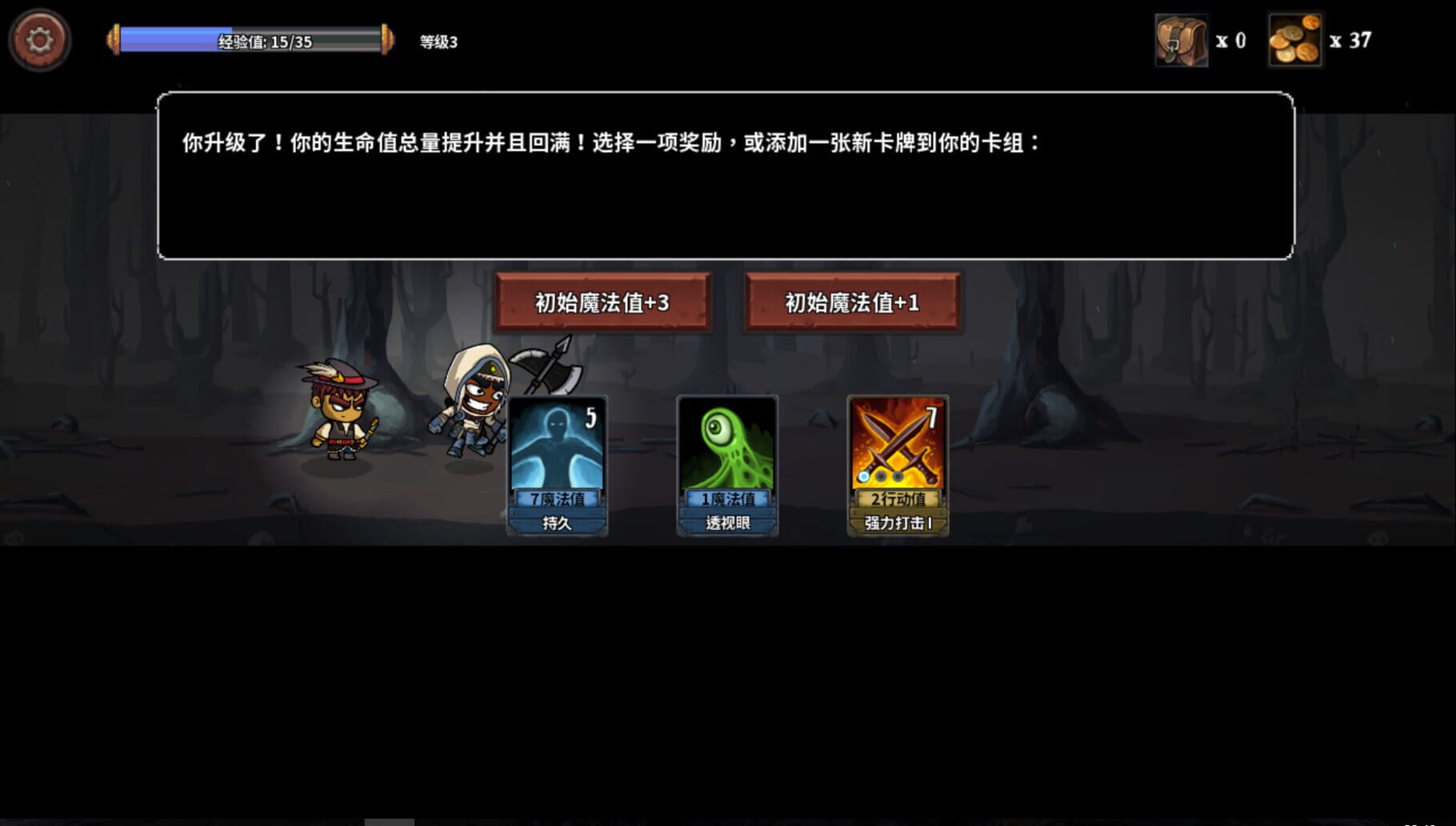
Combat is entirely card-based and turn-driven, with each card representing attacks, defenses, buffs, debuffs, or special abilities. Success depends less on raw power and more on how well cards interact with one another. Building a cohesive deck is crucial, as bloated or unfocused decks can quickly become liabilities. Enemies often have resistances, special traits, or attack patterns that force players to rethink their approach, making adaptability a constant requirement. Boss fights in particular test how well the player understands their deck’s strengths and limitations, often punishing careless or overly greedy strategies.
What gives the game lasting appeal is its roguelike structure combined with meta-progression. Maps, encounters, and rewards are partially randomized, ensuring that no two runs feel identical. Even failed attempts contribute to long-term progress by unlocking new classes, cards, and upgrades, which gradually expands the game’s strategic depth. This system helps soften the frustration of defeat while still preserving the tension and stakes of each run. Over time, players gain not just stronger options, but a deeper understanding of the game’s mechanics and synergies.
Visually, the game opts for a clean and readable 2D style that prioritizes clarity over spectacle. Character portraits, enemy designs, and card art are expressive without being overly ornate, allowing players to quickly process information during combat. The interface is functional and information-dense, presenting health values, resistances, buffs, and card effects in a way that supports strategic thinking. While it may lack the polish or visual flair of larger-budget deck-builders, it compensates with usability and consistency.
The game is not without rough edges. Tutorials and early explanations can feel sparse, which may overwhelm players new to the genre or unfamiliar with card-based roguelikes. Balance can occasionally feel uneven, with certain class combinations or card synergies clearly outperforming others. However, for many players, discovering these imbalances and learning how to exploit or counter them becomes part of the fun, reinforcing the game’s experimental nature.
Overall, 魔物讨伐团 stands as a strong example of a system-driven indie game that succeeds through depth rather than presentation. It rewards patience, experimentation, and strategic foresight, offering dozens of hours of replayable content for players willing to engage with its mechanics. While it may not be the most accessible or visually striking title in its genre, its layered design and class diversity make it a satisfying and enduring experience for fans of roguelikes and deck-building RPGs.
Rating: 6/10