PC (Microsoft Windows)2016
Brazed
Brazed is a game about escaping the unknown planet.
Screenshots
547
Mixed
2 Steam reviews
Review History
| LANGUAGE | AUDIO | SUBTITLES | INTERFACE |
|---|---|---|---|
| English | — | Y | Y |
| Japanese | — | Y | Y |
| Russian | — | Y | Y |
| Spanish (Spain) | — | Y | Y |
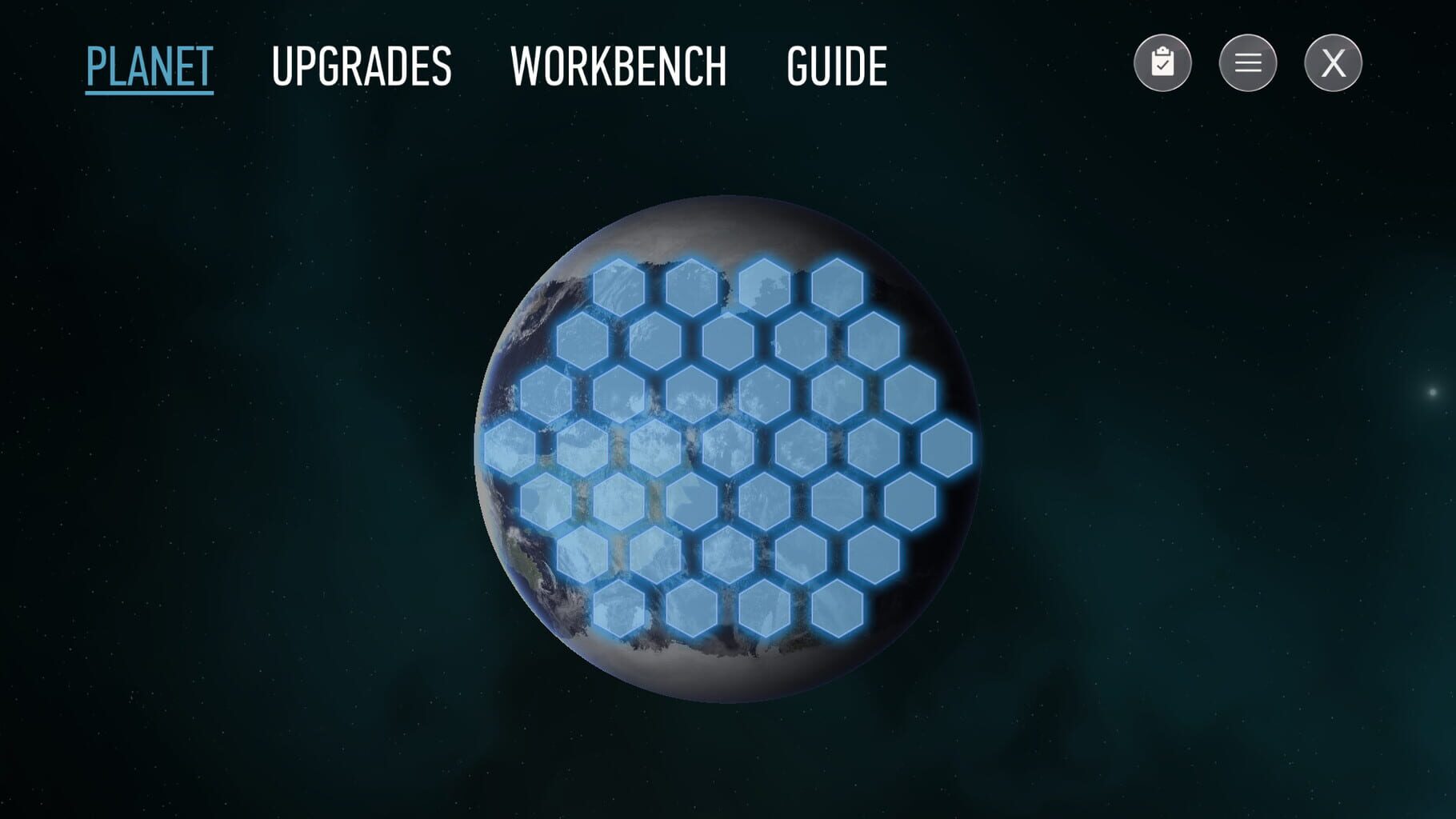
Brazed is a game about escaping the unknown planet.
Mixed
2 Steam reviews
| LANGUAGE | AUDIO | SUBTITLES | INTERFACE |
|---|---|---|---|
| English | — | Y | Y |
| Japanese | — | Y | Y |
| Russian | — | Y | Y |
| Spanish (Spain) | — | Y | Y |
İlk Türkçe inceleme yazan benim. Oyunu yapan bile ne yaptığını bildiğini sanmıyorum. Ne yarram oynadım ettim bende bir sikim anlamadım. Siktir edin bunu vakit kaybı.
Brazed, developed and published by Vladimir Maslov, is a small-scale indie strategy and survival title that takes an unconventional approach to the stranded-on-an-alien-world premise. Rather than focusing on cinematic storytelling or high-pressure combat, the game emphasizes methodical planning, resource collection, and a distinctive crafting system built around basic electronics concepts. It presents itself as a quiet, solitary experience, where progress is driven by problem-solving and gradual technological advancement rather than dramatic set pieces.
The game begins with the aftermath of a spaceship crash that leaves the player as the sole survivor on an unfamiliar planet. The narrative framework is minimal, serving primarily to contextualize the central goal: escape. There is no heavy exposition or scripted drama, and the sense of isolation is conveyed through the sparse environment and the absence of other characters. This stripped-down storytelling approach places the focus squarely on gameplay systems, allowing players to interpret the situation through their actions rather than through dialogue or cutscenes.
At the core of Brazed is its crafting and upgrade system, which revolves around building and improving a robotic companion. This robot acts as both a tool and a lifeline, performing tasks and enabling exploration across the planet’s procedurally generated maps. To upgrade it, players must gather raw materials and convert them into electronic components such as resistors, capacitors, diodes, and transistors. These are not abstracted items; instead, the game asks players to engage with simple math and logic problems to create them, introducing an educational angle that is unusual within the genre.
Exploration and resource management form the bulk of the gameplay loop. Each session presents a different layout of resources, encouraging players to adapt rather than rely on a fixed strategy. Decisions about which materials to prioritize and which upgrades to pursue directly affect how efficiently the robot can operate and how quickly the player can work toward transmitting a distress signal. This creates a slow but steady sense of progression, where each successful craft or upgrade feels earned through careful planning.
The electronics-based crafting system is the game’s most distinctive feature. By requiring players to understand and manipulate real-world component concepts, Brazed turns what would normally be a straightforward crafting mechanic into a mental exercise. For some, this adds depth and novelty, making the act of upgrading feel more meaningful. For others, it can feel cumbersome or unintuitive, especially if they are unfamiliar with basic electronics. This design choice largely defines the game’s appeal and explains its polarized reception.
Visually, Brazed is modest and utilitarian. The graphics are simple and functional, prioritizing clarity over visual flair. Environments are sparse and repetitive, reinforcing the sense of isolation but also contributing to a feeling of monotony over longer sessions. The interface follows a similarly minimalist philosophy, providing necessary information without much embellishment. While this keeps the focus on strategy and crafting, it also means the game lacks the visual variety that might help sustain long-term engagement.
Pacing is another area where Brazed divides opinion. Progress is deliberately slow, with much of the experience spent gathering resources and solving component-related challenges. Players who enjoy methodical gameplay and incremental advancement may find this relaxing and satisfying, while those looking for constant stimulation or dramatic escalation may feel that the game stalls after the initial novelty fades. The absence of major surprises or evolving threats means that repetition becomes more noticeable over time.
Despite its limitations, Brazed has a clear identity. It is not trying to compete with large survival sandboxes or complex simulations, but instead offers a focused experiment in blending strategy, survival, and light education. Its inclusion of standard Steam features such as achievements and trading cards adds a small layer of extrinsic motivation, but the core appeal remains intrinsic: the satisfaction of solving problems and slowly engineering a way off an alien world.
In the end, Brazed is best approached as an experimental indie project rather than a fully polished genre entry. Its unique crafting mechanics and calm, solitary atmosphere will resonate with a specific audience—players who enjoy thoughtful, low-pressure experiences and are intrigued by unconventional systems. While its simplicity, repetitive structure, and limited depth may turn others away, Brazed stands as an interesting example of how survival and strategy games can explore ideas beyond combat and spectacle, focusing instead on curiosity, learning, and quiet perseverance.
Rating: 5/10