XboxPC (Microsoft Windows)PlayStation 22005
Special Forces Nemesis Strike
A budget title with stealth-action similar to the original Splinter Cell and a cover system similar to kill.switch.
Trailers
1Screenshots
563
Mixed
1 Steam reviews
A budget title with stealth-action similar to the original Splinter Cell and a cover system similar to kill.switch.
Mixed
1 Steam reviews
CT Special Forces: Fire for Effect is a third-person action shooter that reflects a very specific era of mid-2000s game design, blending arcade-style gunplay with cinematic military spectacle. Developed by Asobo Studio and Hip Games and published by Funbox Media Ltd, the title originally emerged during a period when tactical shooters were experimenting with hybrid mechanics—mixing stealth, physics-driven interactions, and explosive set pieces. Now available on Steam, the game stands as a time capsule of that design philosophy, offering both nostalgic charm and clear evidence of its age.
The core of Fire for Effect revolves around mission-based progression centered on a global counter-terrorism campaign. You step into the boots of elite operatives tasked with dismantling an international threat network, moving from urban infiltration scenarios to high-stakes assaults involving advanced weaponry and large-scale destruction. The narrative itself is straightforward and functional, providing just enough context to link together its varied missions. It doesn’t delve deeply into character development or moral complexity; instead, it focuses on propelling the player from one action-heavy scenario to the next, emphasizing spectacle over introspection.
Gameplay alternates between two primary operatives, each embodying a distinct approach to combat. One character leans toward stealth and precision, equipped for quieter infiltration and tactical positioning, while the other embraces heavier firepower and direct confrontation. This dual-structure is meant to introduce variety, allowing missions to feel tonally different depending on which operative you control. In theory, this adds depth and strategic flexibility. In practice, the differentiation is present but not fully realized, as stealth mechanics lack the refinement seen in dedicated stealth titles, and gunfights often default to straightforward shootouts rather than nuanced tactical engagements.
Combat itself carries a distinctly arcade sensibility. Weapons feel responsive, and firefights can be energetic, particularly when enemies swarm from multiple directions. The arsenal includes a respectable range of firearms and explosives, encouraging experimentation with different tools of destruction. One of the game’s notable ambitions at the time of release was its use of a physics engine intended to influence environmental interactions and combat dynamics. While this was forward-thinking in its era, modern players may find its implementation modest by contemporary standards. Explosions and environmental destruction provide moments of flair, but they rarely transform the battlefield in a meaningful way.
Beyond standard infantry engagements, Fire for Effect introduces vehicle segments to break up pacing. Players may find themselves piloting jeeps, boats, or other military hardware, shifting the gameplay rhythm from on-foot tactical movement to high-speed action. These sequences inject variety and prevent the campaign from feeling overly repetitive, though they sometimes feel mechanically simpler than the core shooting segments. Still, their inclusion contributes to the game’s cinematic aspirations, reinforcing the sense that each mission is part of a larger, globe-spanning operation.
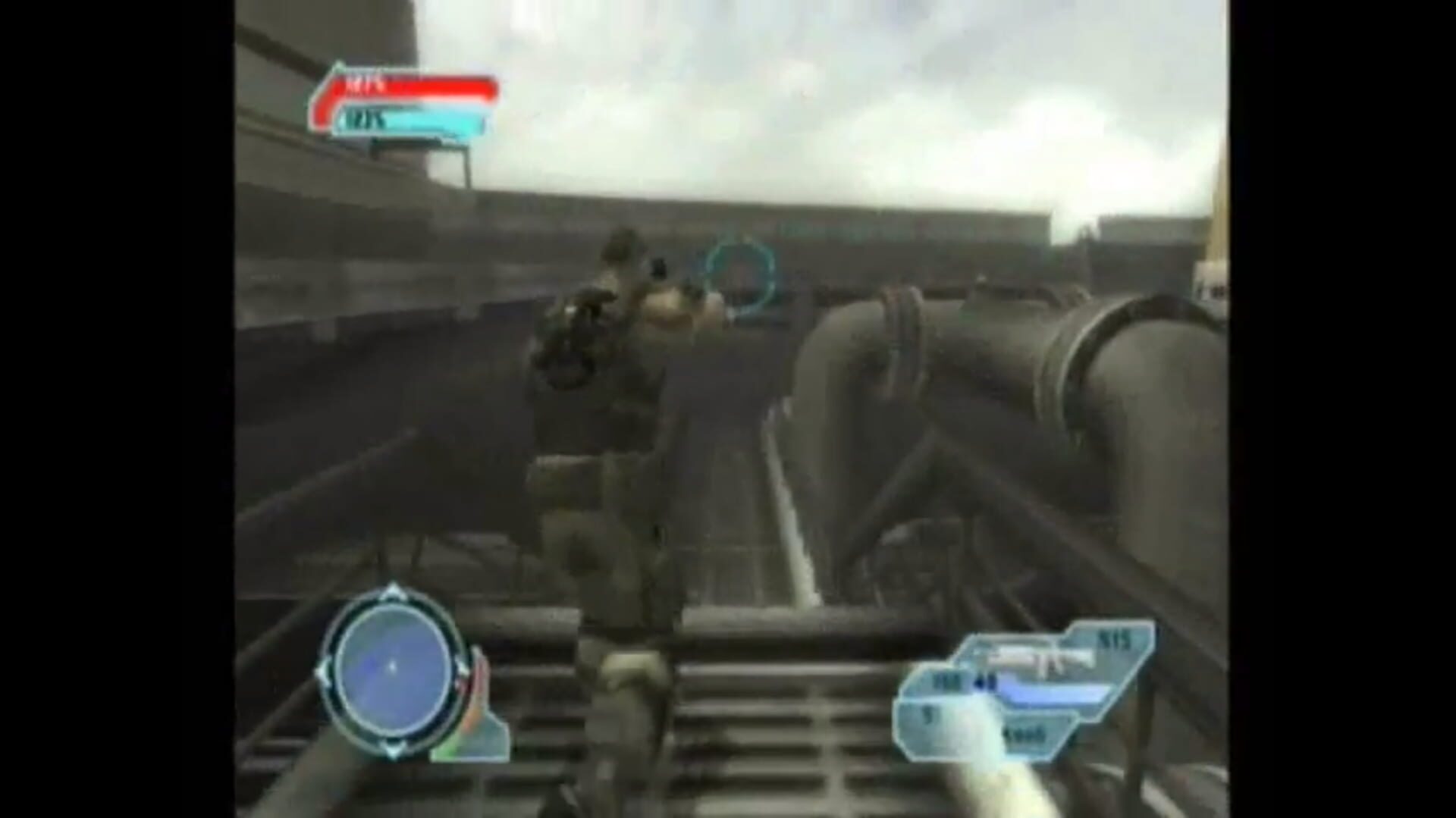
Visually, the game clearly shows its age. Character models, animations, and environmental textures reflect early-2000s production values, with somewhat rigid movement and relatively simple geometry. That said, there is a certain charm in its aesthetic—a reminder of a time when developers balanced technical limitations with ambitious design ideas. Explosions, particle effects, and mission backdrops still carry a sense of scale, even if they lack the polish of modern shooters. On contemporary hardware, players may encounter minor technical quirks, as older titles sometimes require adjustments to run smoothly in modern environments.
One of the more divisive aspects of Fire for Effect is its pacing. Missions can oscillate between brisk action and slower traversal segments, and not all sections are equally engaging. Enemy AI, while functional, does not always exhibit advanced behavior, occasionally resulting in predictable patterns. For some players, this simplicity contributes to a relaxed, almost nostalgic arcade feel. For others, it underscores the game’s dated mechanics and limited depth compared to modern tactical shooters.
Despite these shortcomings, there remains an undeniable appeal for players who appreciate retro action titles. Fire for Effect does not attempt to reinvent the genre; rather, it delivers a straightforward blend of shooting, light stealth, and cinematic spectacle. Its structure is digestible, its campaign manageable in length, and its design ambitions—while imperfectly executed—are visible throughout. For enthusiasts of older third-person shooters or those curious about the early work of Asobo Studio before their later, more polished projects, it offers an interesting glimpse into a transitional period of action game design.
Ultimately, CT Special Forces: Fire for Effect is best approached with tempered expectations and an appreciation for its historical context. It may not compete with contemporary tactical shooters in complexity or polish, but it provides bursts of satisfying action and mission variety that reflect the experimental spirit of its time. For players seeking a nostalgic, mission-driven shooter with a blend of stealth and explosive set pieces, it delivers a serviceable and occasionally entertaining experience that stands as a relic of mid-2000s action gaming.
Rating: 6/10