Call for Heroes: Pompolic Wars
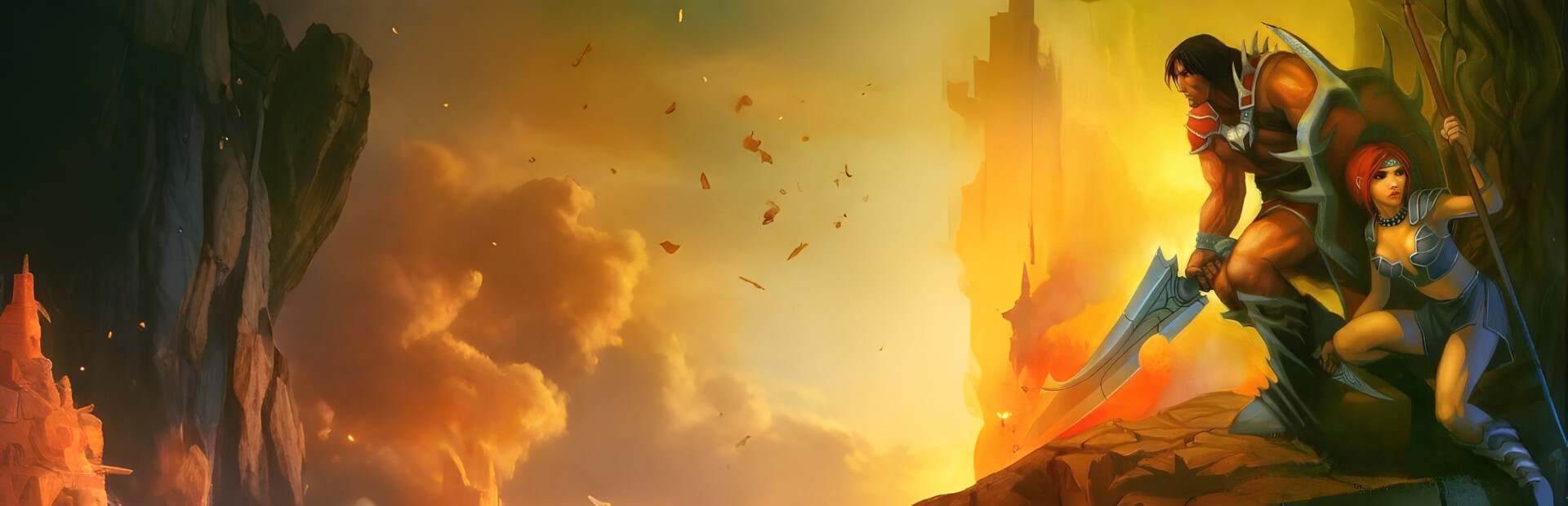
Call for Heroes Pompolic Wars is a fantasy/medieval game divided into 15 levels.
Trailers
1Screenshots
6Mostly Negative
2 Steam reviews
Review History
| LANGUAGE | AUDIO | SUBTITLES | INTERFACE |
|---|---|---|---|
| English | — | Y | Y |
| Russian | — | Y | Y |
Call for Heroes Pompolic Wars is a fantasy/medieval game divided into 15 levels.
Mostly Negative
2 Steam reviews
| LANGUAGE | AUDIO | SUBTITLES | INTERFACE |
|---|---|---|---|
| English | — | Y | Y |
| Russian | — | Y | Y |
Call for Heroes: Pompolic Wars, developed by Quotix Software and published by Strategy First, is an action RPG that has gained notoriety over the years as much for its ambition as for its execution. Originally released in the late 2000s and later resurfacing on modern platforms, the game attempts to deliver a classic hack-and-slash fantasy adventure built around demon invasions, character progression, and large-scale combat. At its narrative core, a dark entity named Pompolic emerges through a dimensional rift, unleashing corrupted forces upon a fragile world. The player steps into the role of a lone champion chosen to stem this tide, battling through hordes of enemies in an effort to restore balance. The premise follows familiar high-fantasy conventions, leaning heavily on archetypal themes of good versus evil, demonic corruption, and heroic destiny.
Gameplay centers on real-time combat against waves of enemies across a series of expansive, loosely structured maps. Players choose between two distinct character archetypes, each equipped with unique weapons and special abilities designed to provide variety in combat approach. As enemies are defeated, experience points accumulate, allowing incremental increases in core attributes such as strength, vitality, and defense. Weapons also improve with use, reinforcing the loop of constant battle leading to gradual empowerment. On paper, this structure aligns closely with established action RPG formulas, promising a satisfying cycle of progression and increasingly challenging encounters.
In practice, however, the execution often undermines the design goals. Combat tends to feel repetitive rather than dynamic, with enemy encounters lacking significant behavioral diversity. Instead of carefully designed battles that demand tactical adaptation, players frequently find themselves overwhelmed by sheer numbers rather than complexity. Enemy AI exhibits limited sophistication, and the constant spawning of foes can turn engagements into chaotic skirmishes rather than deliberate confrontations. The absence of nuanced skill trees or deep customization options further diminishes the sense of strategic agency, making character progression feel more like incremental stat padding than meaningful specialization.
Level design is another area where the game struggles. Maps are sizable but often lack distinctive landmarks or intuitive navigation. Without a strong guiding system or compelling environmental storytelling, exploration can feel disorienting. Players may spend extended periods wandering through similar-looking areas in search of objectives, which interrupts the pacing and contributes to frustration. Instead of creating a sense of discovery, the environments sometimes appear empty or repetitive, reducing immersion and making the journey feel longer than intended.
Visually, Call for Heroes reflects the limitations of its development context. Character models and environmental textures appear dated even by the standards of its original release period. Animations lack fluidity, and visual effects during combat rarely convey impactful feedback. While the game attempts to portray a dark fantasy aesthetic, the overall presentation struggles to fully realize that atmosphere. Sound design follows a similar pattern, with functional but unremarkable effects and a soundtrack that does little to elevate tension or emotional investment. Narrative delivery remains sparse, relying primarily on premise rather than cinematic storytelling or rich character interaction.
Despite its shortcomings, there is a certain historical curiosity surrounding Call for Heroes: Pompolic Wars. It represents a snapshot of early independent efforts to compete within the action RPG space during a period dominated by larger, more polished titles. The ambition to create a sprawling fantasy battle experience is evident, even if the resources and refinement were not sufficient to fully achieve it. For some players, particularly those interested in gaming oddities or budget fantasy titles, there can be a degree of ironic or nostalgic appeal in experiencing a game that aimed high but fell short.
Ultimately, Call for Heroes: Pompolic Wars stands as a flawed but earnest attempt at delivering hack-and-slash adventure. Its core systems reflect a clear understanding of genre fundamentals—combat, leveling, loot, and boss encounters—but the lack of depth, polish, and thoughtful design cohesion prevents it from reaching its potential. While it may not satisfy players seeking refined mechanics or rich storytelling, it remains an intriguing artifact of mid-2000s action RPG development. Approached with tempered expectations, it can serve as a reminder of how execution and polish are just as critical as concept in shaping a memorable fantasy experience.
Rating: 4/10
Как я проглядел, что это аренная АРПГ, на время (!), где цель на каждый уровень - собрать определённое количество кресто-черепков (крестоформы!) и телепортироваться на новую арену - я не знаю.
Дроп. Без читов утомительно ковырять врагов-губок для урона, а с читами всё равно утомительно искать один-два-три последних серо-бурых черепка посреди серо-бурых лабиринтов.